
Architectural Lighting
Architectural lighting combines functional illumination with architectural design to enhance the form, structure and visual identity of buildings and outdoor spaces. Our architectural lighting solutions include LED linear lighting, facade lighting, wall lighting, outdoor architectural lighting and landscape lighting for commercial buildings, hotels, public spaces and architectural projects. We provide LED architectural lighting products and customized lighting solutions for architects, lighting designers, contractors, developers and project professionals.
What Is Architectural Outdoor Lighting?
Architectural lighting is the use of artificial and natural light to enhance the appearance, function and atmosphere of architectural spaces. Modern architectural lighting combines LED fixtures, optical systems and lighting controls to highlight building forms, facades, structural details and outdoor environments. Common types include functional lighting, decorative lighting, accent lighting, facade lighting, landscape lighting and dynamic architectural lighting.
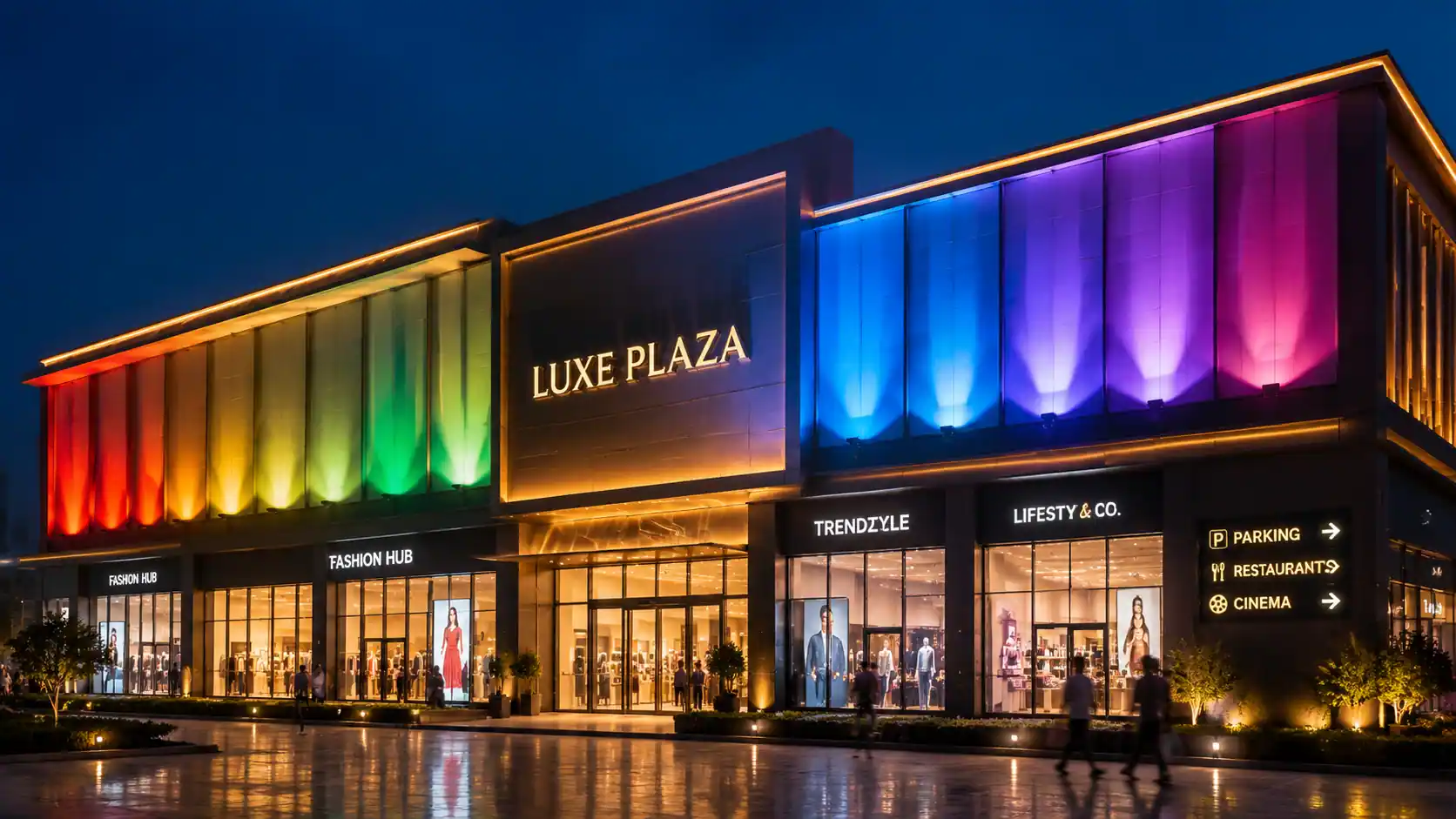
Architectural Lighting Products
Explore architectural lighting products and architectural lighting fixtures designed for facades, walls, ceilings, landscapes and other architectural spaces. Our LED architectural lighting solutions include linear lights, wall lighting, facade lighting and landscape lighting for commercial, residential and large-scale architectural projects.
Architectural Linear Lights
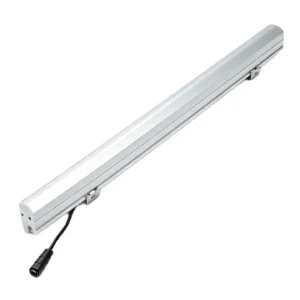
LED architectural linear lights provide flexible architectural linear LED lighting for building facades, architectural edges, ceilings, walls and structural details. This architectural linear lighting and linear architectural lighting solution can use architectural LED linear fixtures in different lengths, light outputs, color temperatures and control options for a wide range of architectural projects.
Architectural Wall Washers
Architectural wall washers are LED lighting fixtures used for architectural wall lighting and wall wash lighting, providing uniform or controlled illumination across architectural surfaces. Architectural wall wash lighting and architectural wall washer lighting can highlight building materials, textures and structural details, while exterior architectural wall lighting is suitable for facades and other outdoor architectural applications.
Architectural Flood Lights
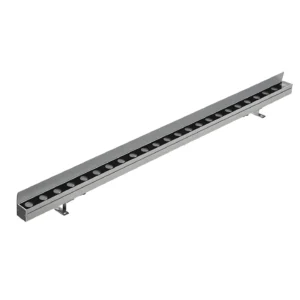
Architectural floodlights provide powerful and controlled illumination for building facades, large structures, landmarks and outdoor spaces. Architectural flood lighting and LED architectural flood lighting can be configured with different beam angles, brightness levels, color temperatures and control options, while exterior architectural flood lighting is ideal for large-scale outdoor architectural applications.
Architectural Spotlights
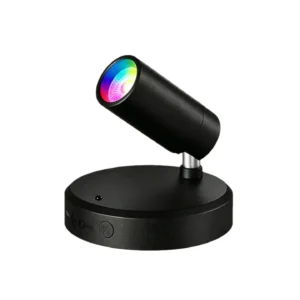
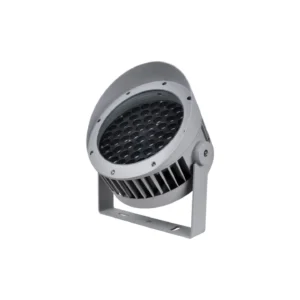
Architectural spotlights provide focused illumination for highlighting building features, entrances, columns, landscape elements and other architectural details. Different beam angles and mounting options allow precise control of light distribution for accent and architectural lighting applications.
Architectural In-Ground Lights
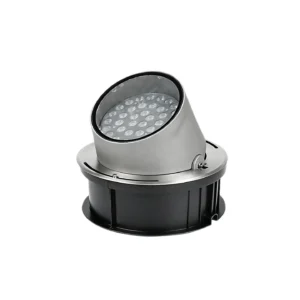
Architectural in-ground lights are recessed LED fixtures designed for floors, pathways, plazas, landscape areas and architectural structures. Their compact installation profile provides functional or accent illumination while maintaining a clean architectural appearance.
Architectural Downlights
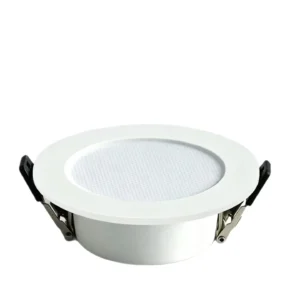
Architectural downlights are recessed or surface-mounted LED fixtures designed to provide clean, controlled illumination for ceilings, soffits, corridors, entrances and architectural spaces. Available with different beam angles, light outputs and color temperatures, architectural downlights can provide functional and accent lighting while maintaining a discreet architectural appearance.
Architectural Lighting vs. Landscape Lighting
| Architectural Lighting | Landscape Lighting | |
|---|---|---|
| Canvas | Building envelope: facades, columns, curtain walls, parapets, entrances | Ground plane: gardens, paths, trees, water features |
| Goal | Reveal structure, material, and form; create identity | Ambient comfort, safety, plant accent |
| Typical Fixtures | Wall washers, linear LED, floodlights, in-grade, pixel | Bollards, path lights, tree uplights, accent spikes |
| Design Output | Photometric layout, aiming plans, control scenes | Pools of light, plant highlighting |
Architectural Lighting
Building envelope: facades, columns, curtain walls, parapets, entrances
Reveal structure, material, and form; create identity
Wall washers, linear LED, floodlights, in-grade, pixel
Photometric layout, aiming plans, control scenes
Landscape Lighting
Ground plane: gardens, paths, trees, water features
Ambient comfort, safety, plant accent
Bollards, path lights, tree uplights, accent spikes
Pools of light, plant highlighting
What Good Architectural Outdoor Lighting Should Achieve
A well-executed scheme meets five criteria:
- Reveals the architecture. Grazing stone texture, washing a smooth curtain wall, uplighting columns — the light follows the building, not the other way around.
- Creates hierarchy. One dominant feature (entry, crown, landmark element), secondary accents, and a subtle base layer — not everything lit with equal intensity.
- Serves people. Safe steps and paths, controlled glare, and no spill into windows or the night sky.
- Meets code and energy targets. Dark-sky compliance, ADA clearance for ground fixtures, and an energy budget that supports LEED or local codes.
- Stays maintainable. Tool-less access, replaceable LED modules and drivers, and documented spare parts. A facade light that cannot be serviced gets disconnected — not repaired.
Exterior Architectural Lighting Applications by Building Type
Different buildings need different light: a glass office tower, a limestone hotel, and a museum courtyard each demand their own fixture mix and effect language. The applications below cover the most common building types. In practice, architecture lights are specified in coordinated clusters — washer + linear + accent — so the whole composition reads as one design rather than separate fixtures.
Ferris Wheel Lighting
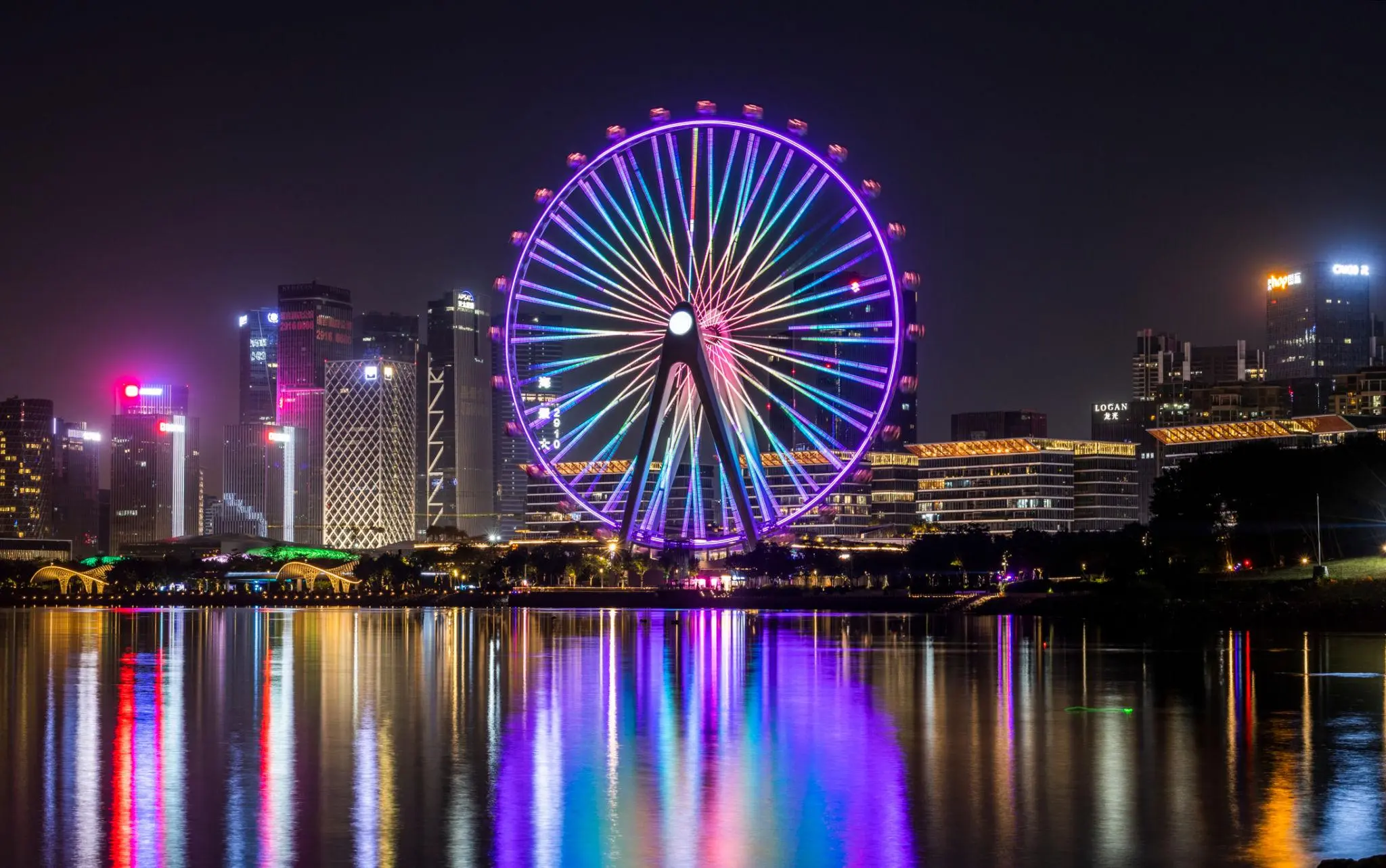
Create a memorable nighttime landmark with programmable LED lighting for Ferris wheels. RGB, RGBW and addressable pixel lights can produce synchronized color changes, flowing patterns and dynamic light shows across the wheel structure. DMX512 control enables centralized programming for theme parks, waterfront attractions and city entertainment projects.
Commercial Building Exterior Lighting
Attract customers and enhance brand visibility with vibrant facade lighting. RGB color-changing systems create seasonal displays and promotional themes. Storefronts benefit from high CRI (90+) to accurately represent merchandise colors visible through windows. Typical retail installations use 24W-36W wall washers achieving 400-600 lux, significantly brighter than office building standards. Include signage accent lighting with narrow-beam spots (15°-25°).
Hotel Facade Lighting
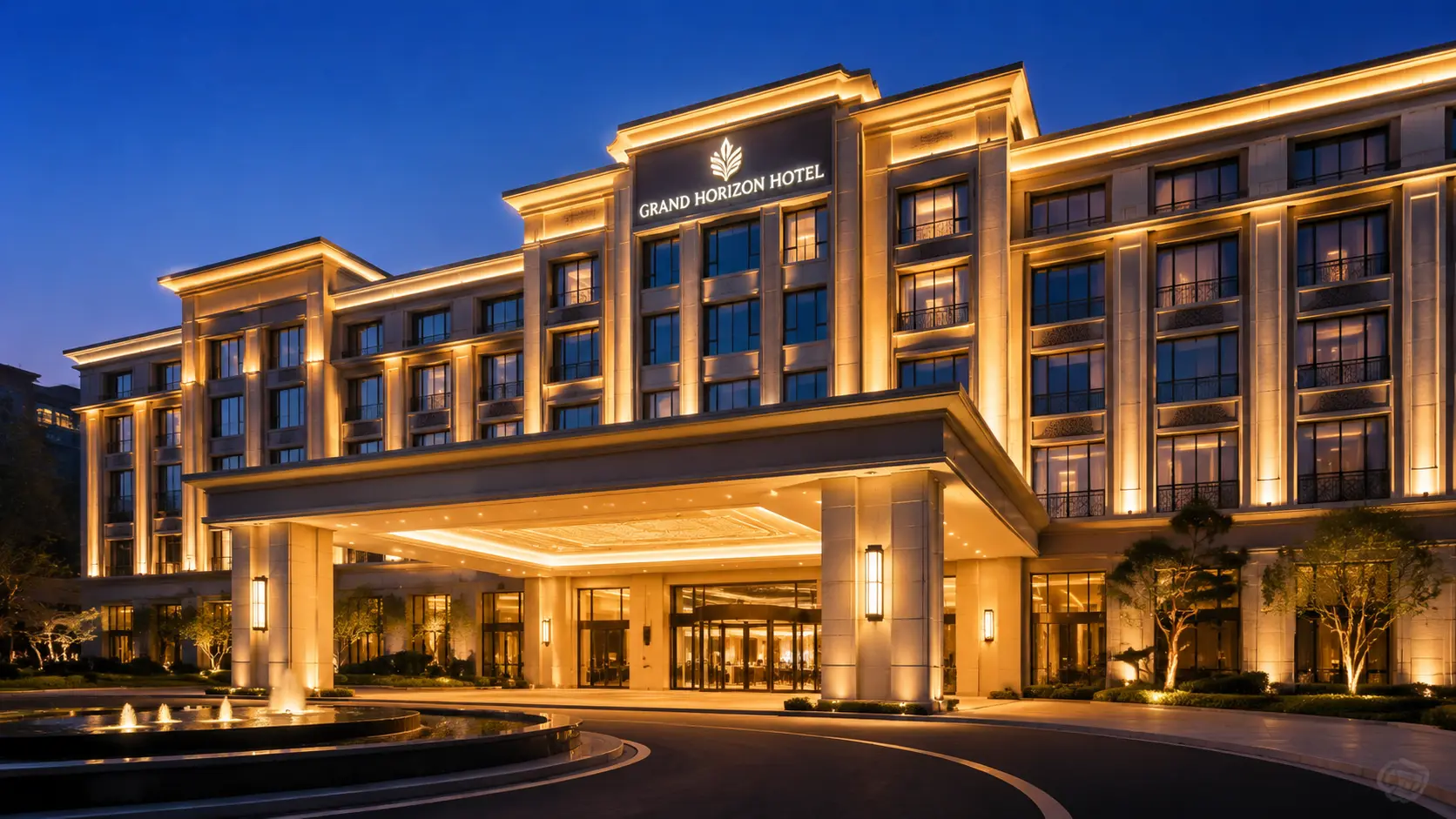
Create an inviting nighttime identity for hotels and resorts with carefully planned facade lighting. Choose warm white, RGB or RGBW LED wall washers to highlight entrances, columns, balconies and architectural textures while supporting DMX512 control for seasonal and event-based lighting scenes.
Office Building Exterior Lighting
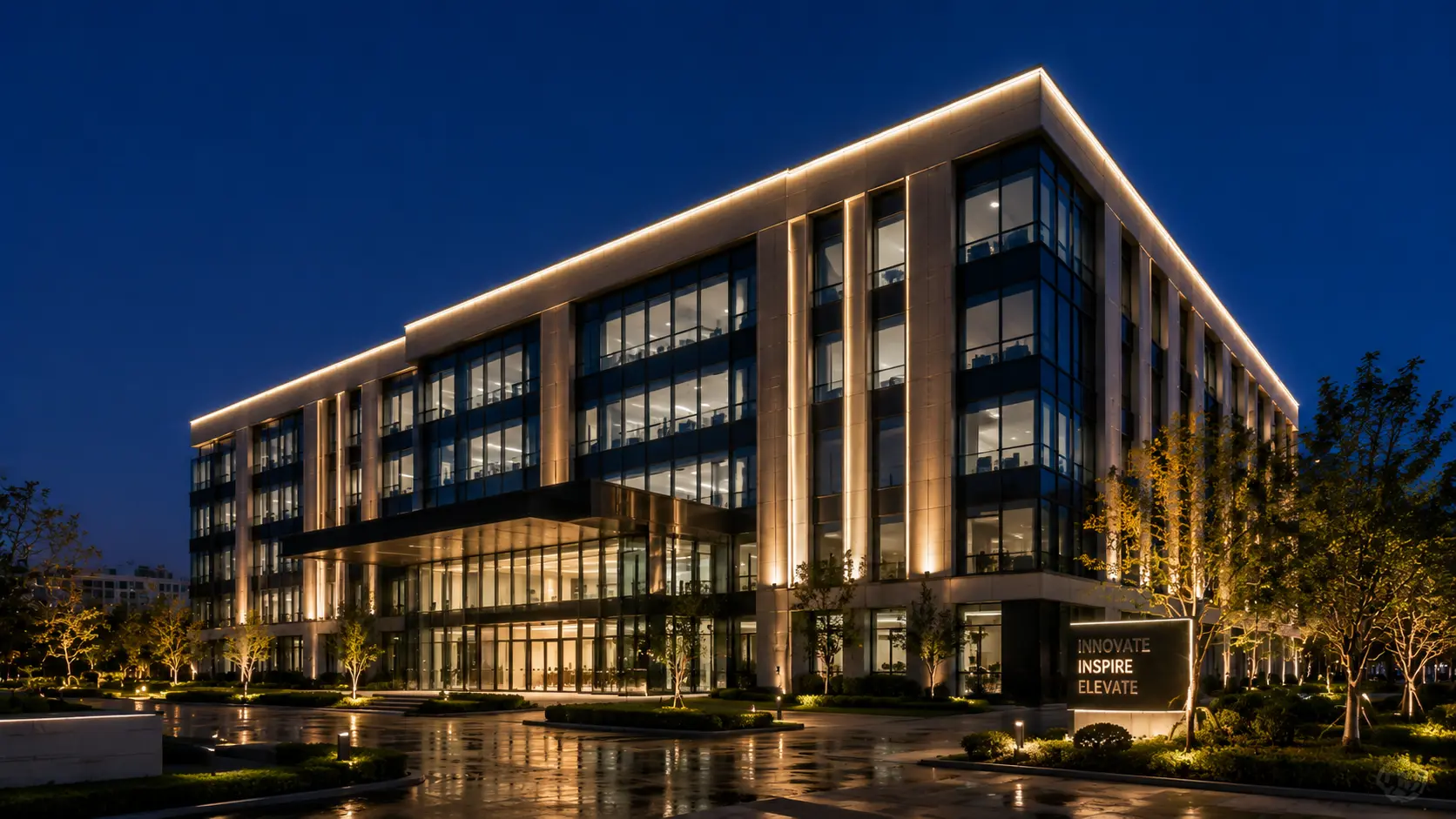
Improve the nighttime appearance of office towers and corporate buildings with energy-efficient exterior lighting. Linear LED wall washers can emphasize vertical lines, building entrances and branded architectural features, with adjustable beam angles and control systems available for different mounting distances and facade heights.
Residential Building Facade Lighting
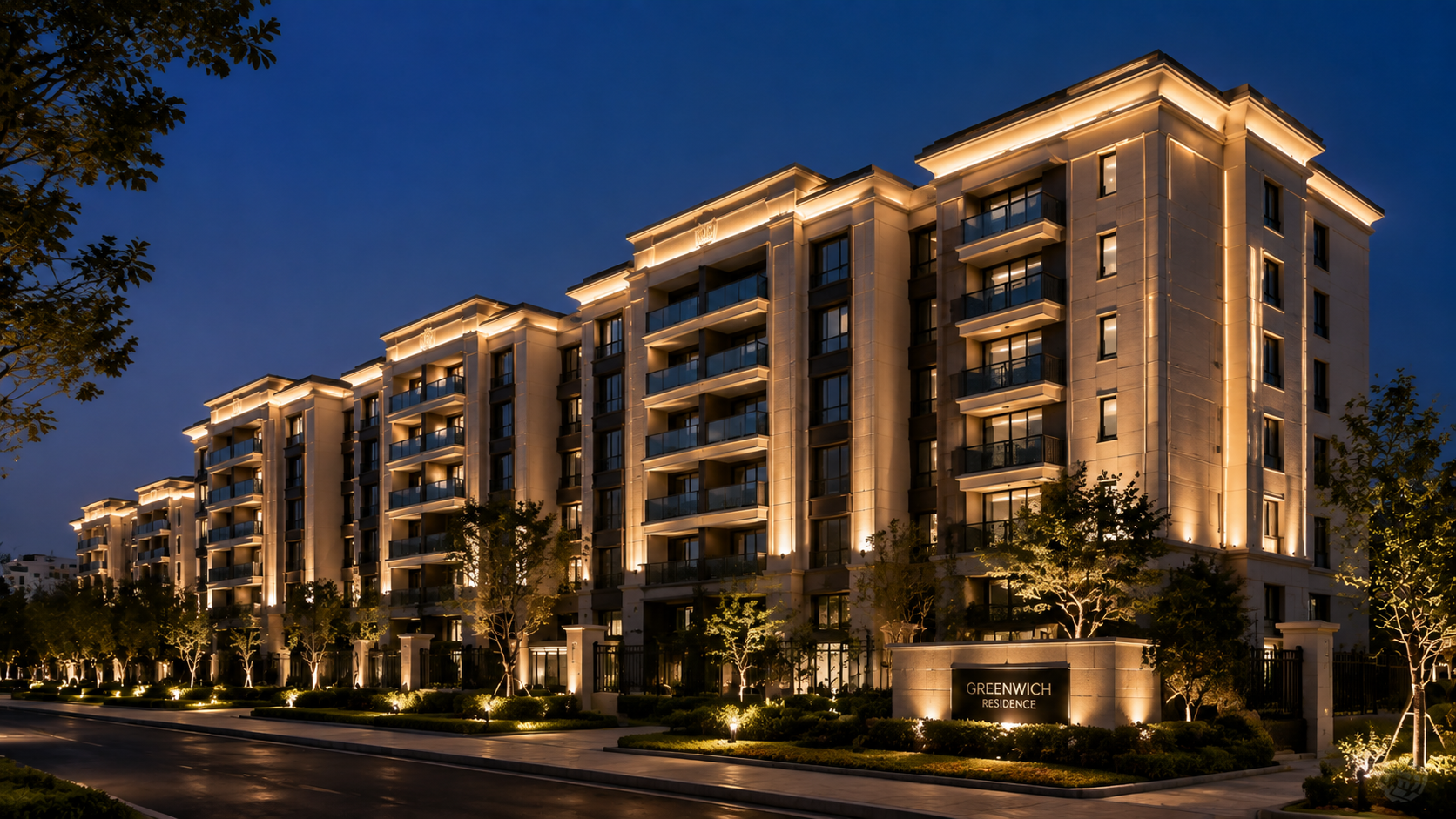
Add depth and visual comfort to apartment buildings, residential towers and private developments with controlled facade illumination. Low-glare LED wall washers and warm color temperatures can highlight walls, entrances and landscape features without creating excessive brightness for residents or surrounding properties.
LED Sky Screen
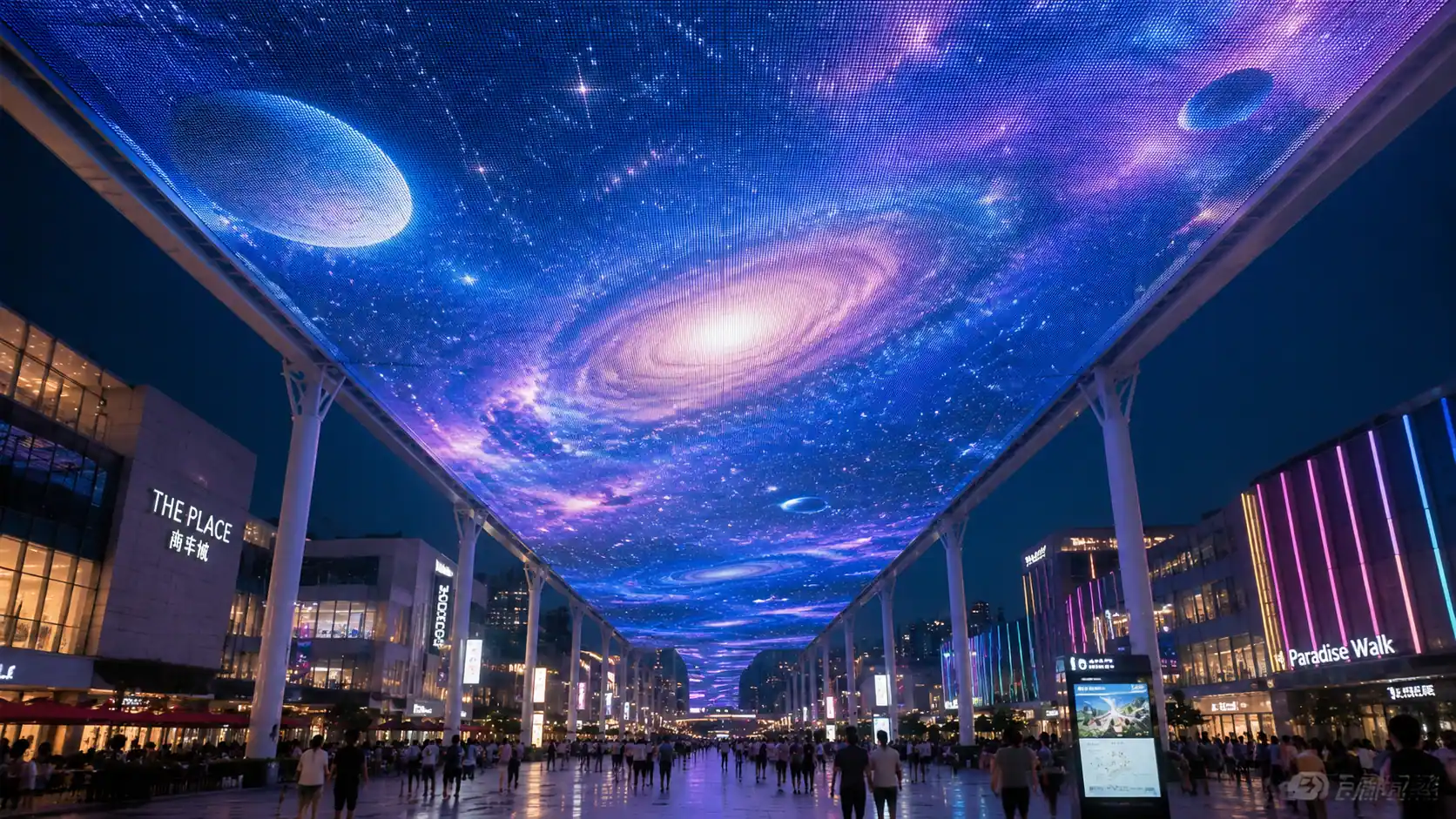
Create immersive LED sky screens for theme parks, shopping malls, plazas and tourist attractions. Programmable RGB and RGBW lighting delivers vivid animations, flowing colors and synchronized effects, with DMX512 control and custom designs for large-scale city projects.
Types of Architectural Outdoor Lighting Fixtures
Every facade scheme is built from a small family of fixture types. The table below shows how they behave; each is described in detail after it.
| Fixture type | Typical effect | Mounting | Common IP | Best for |
|---|---|---|---|---|
| LED wall washer | Even vertical pool of light | Surface, recessed, track | IP65–IP66 | Curtain walls, smooth facades |
| Linear LED | Continuous lines, contouring | Surface, recessed, cove | IP65–IP67 | Parapets, reveals, stair nosings |
| Floodlight / spotlight | Wide wash or tight accent | Ground, pole, bracket | IP65–IP66 | Landmarks, signage, columns |
| In-grade | Light rising from the ground | Recessed in paving | IP67–IP68 | Entries, plazas, tree uplight |
| Step & bollard | Low-level orientation | Recessed in step, surface | IP65–IP67 | Paths, stairs, terraces |
| Pixel / point / RGB | Dynamic, media effects | Surface, mullion, custom | IP65–IP67 | Media facades, dynamic scenes |
Lighting Effects & Design Techniques
The effect — not the fixture — is what people see. Choosing the technique first, then the hardware, is the difference between a designed nightscape and a collection of lights. When specifying architectural lighting outdoor, three classic techniques cover most facades:
Wall Washing vs. Wall Grazing vs. Uplighting
| Technique | Effect | Fixture position | Optics | Mood |
|---|---|---|---|---|
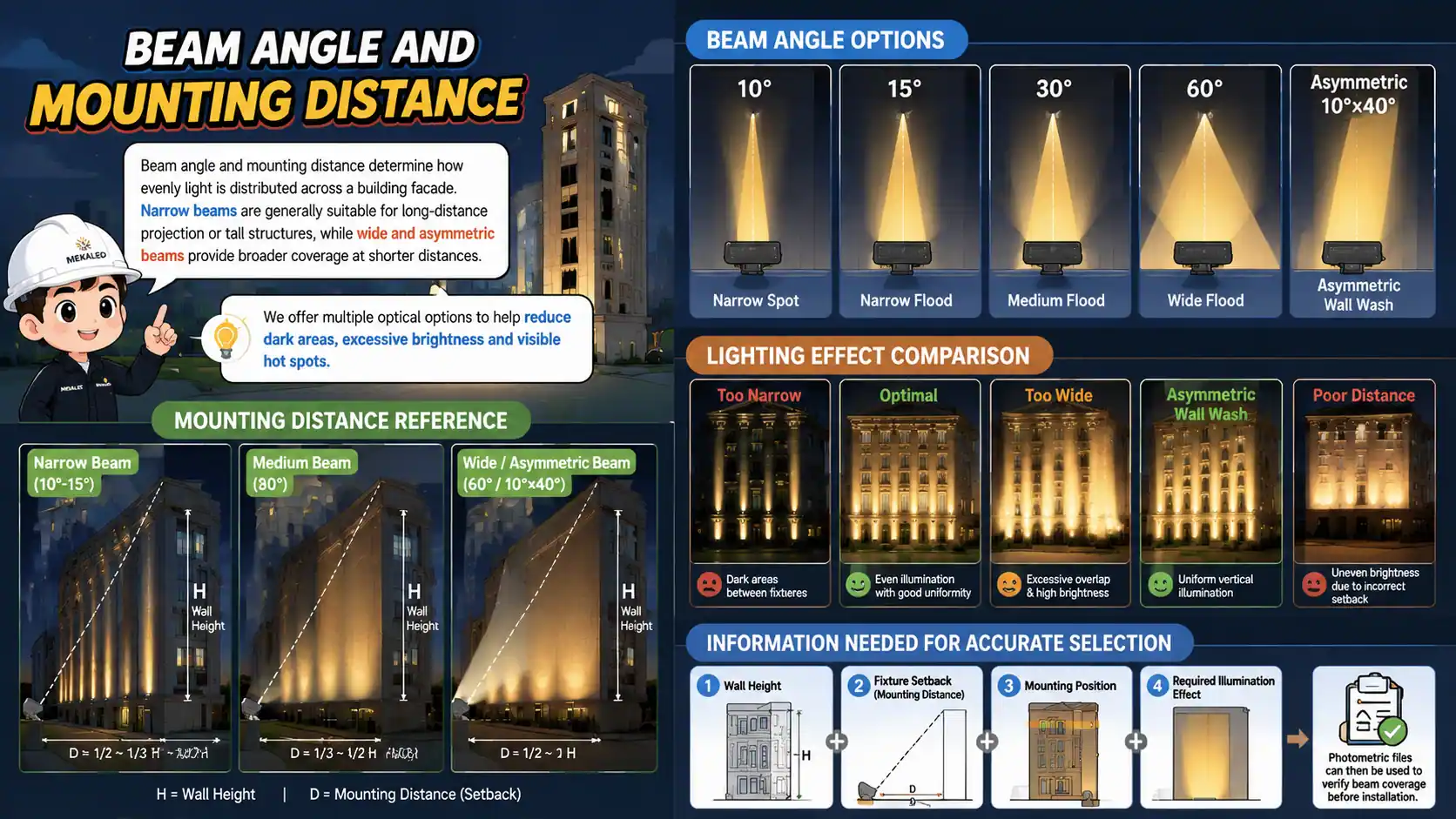
| Wall washing | Smooth, even vertical light | 300–1000 mm from wall | Asymmetric wide beam | Clean, modern, uniform |
| Wall grazing | Dramatic texture, deep shadows | 100–300 mm from wall | Narrow asymmetric, grazing angle | Sculptural, historic, dramatic |
| Uplighting | Vertical accent from the base | Ground, in-grade, or bracket | Narrow to medium beam | Monumental, landmark |
Washing reveals the surface as a plane; grazing reveals its relief; uplighting gives verticality. Many schemes combine them: graze a stone podium, wash the glass above, uplight the crown — three techniques, one composition.
Dynamic Facade Effects: RGB/RGBW & Pixel
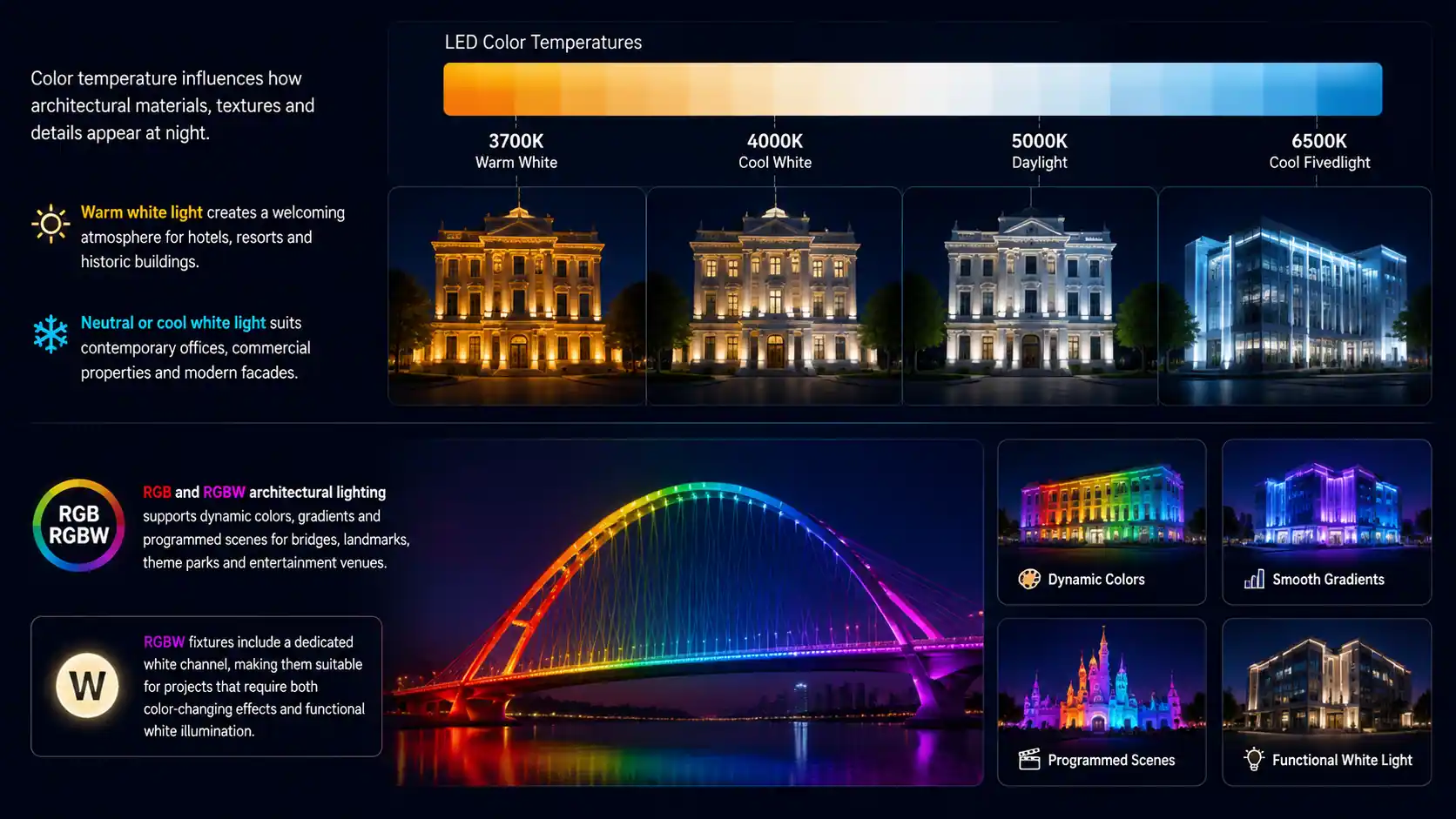
Static white is no longer the only option. RGB/RGBW fixtures add brand color, seasonal scenes, and slow transitions; pixel-mapped systems support full media content on the facade. Before specifying, confirm three things: the control protocol (DMX512 is the standard for theatrical-grade control), the refresh rate and color depth against the video source, and the IP rating of every connector and splice. Dynamic content should be designed by a lighting designer or media artist — raw pixel content without design intent reads as noise.
Moonlighting, Silhouetting & Texture Highlighting
Beyond the three classics: moonlighting filters light through tree canopies to cast soft dappled shadows on the ground plane; silhouetting lights a background surface so an object reads as a dark outline; texture highlighting uses a steep grazing angle on relief surfaces — stone, brick, precast, timber — to exaggerate depth. These are the “quiet” techniques that give a scheme richness without raising the overall light level, which is why they appear disproportionately often in award-winning nightscapes.
Planning a facade lighting project? Piano provides photometric layouts, IES files, and OEM/ODM support for wall washers, linear LED, and dynamic facade fixtures. Request a free quote — reply within 24 hours.
The Architectural Lighting Design Process
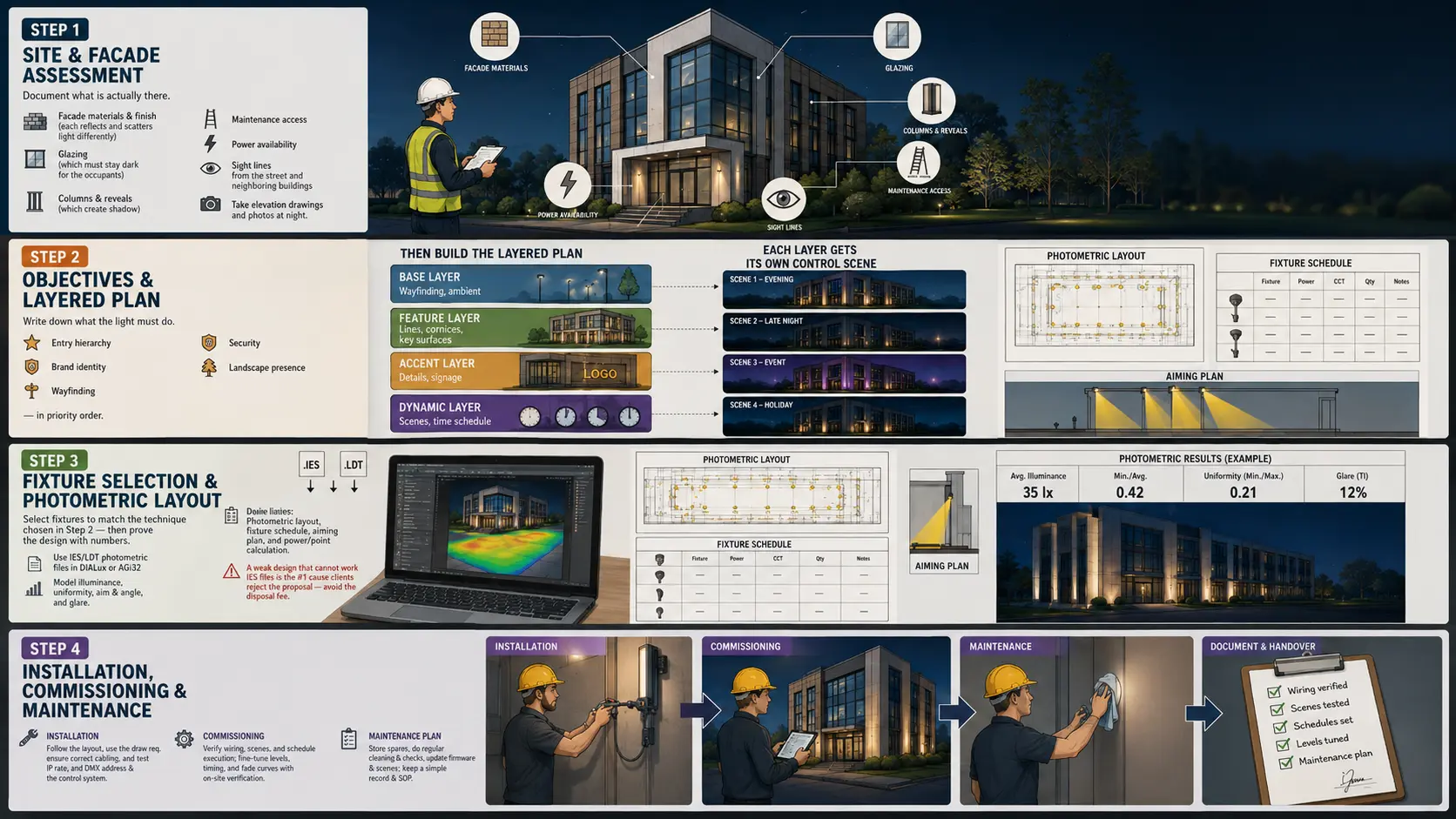
A facade lighting project succeeds or fails in four phases. Architectural exterior lighting delivered without this sequence — fixture selection before site assessment, layout without photometrics — is the most common cause of rework in the industry.
Step 1: Site & Facade Assessment
Document what is actually there: facade materials and finish (each reflects and scatters light differently), glazing (which must stay dark for the occupants), columns and reveals (which create shadow), maintenance access, power availability, and sight lines from the street and neighboring buildings. Take elevation drawings and photos at night. This step decides which techniques are physically possible.
Step 2: Objectives & Layered Plan
Write down what the light must do: entry hierarchy, brand identity, wayfinding, security, landmark presence — in priority order. Then build the layered plan: base layer (wayfinding, ambient), feature layer (entry, crown, key surfaces), accent layer (details, signage), and dynamic layer (scenes, time schedules). Each layer gets its own control scene, so the scheme can be dialed down at midnight without redesign.
Step 3: Fixture Selection & Photometric Layout
Select fixtures against the technique chosen in Step 2 — then prove the design with numbers. Use the manufacturer’s IES/LDT photometric files in DIALux or AGi32 to model illuminance, uniformity, aiming angles, and glare. The deliverable is a photometric layout: fixture schedules, aiming plans, and a point-by-point calculation. A manufacturer that cannot supply IES files for its products cannot support this step — treat that as a disqualifier.
Step 4: Installation, Commissioning & Maintenance
Installation follows the layout, not the other way around: correct cabling, IP-rated joints, and DMX addressing per the control plan. Commissioning verifies aiming, scenes, and schedules against the design intent — and documents them, because the lighting designer leaves and the facility team stays. Finally, build the maintenance plan: spare modules, driver access, cleaning schedules (dirt accumulation can cost 30% of light output), and a warranty response path. This is the phase where good documentation pays for itself.
Custom Outdoor Architectural Lighting Solutions
Every architectural project has different structural, optical and electrical requirements. Our custom outdoor architectural lighting solutions can be configured for specific facade dimensions, mounting conditions, color effects and control systems. Available options may include fixture length, wattage, beam angle, color temperature, housing finish, cable configuration and communication protocol.
Custom Length and Wattage
Custom Beam Angle and Color
OEM/ODM and Project-Based Manufacturing
Architectural Lighting Project Support
Successful outdoor lighting projects require coordinated product selection, photometric verification, installation planning and control-system configuration. We support contractors, designers and project buyers with technical documents, fixture recommendations and project-specific information from initial evaluation through installation.
Photometric Files and Lighting Design
IES and LDT photometric files help lighting designers evaluate beam distribution, illumination levels and fixture spacing before installation. Depending on the selected product configuration, we can provide photometric data, technical datasheets, dimension drawings and installation manuals.
To request the correct file, specify the fixture model, wattage, color temperature and beam angle. Files from a different configuration may not accurately represent the performance of the product being considered.
Installation and Control Support
Installation planning should account for mounting distance, fixture orientation, drainage, cable routing, power supply location and maintenance access. For programmable lighting projects, the controller, signal protocol, addressing method and wiring layout should also be confirmed in advance.
We can provide product-specific installation information and control-system guidance to help contractors prepare the project. Final electrical design and installation should be completed by qualified local professionals in accordance with applicable regulations.
Project Case Studies
Explore outdoor architectural lighting projects for building facades, hotels, bridges, landmarks, theme parks and entertainment venues. Each case study can show the project requirements, selected fixtures, beam angles, color configuration, mounting method and control system.
Real installation images and technical details help designers and buyers evaluate how similar lighting solutions may perform in their own projects. Visit our project pages to discover relevant applications and recommended products.
Why Choose Our Outdoor Architectural Lighting
Our outdoor architectural lighting solutions combine suitable optical performance, configurable product options and project-focused technical support. Instead of recommending one fixture for every application, we evaluate the building structure, installation environment, required effects and control method to identify an appropriate solution.
Reliable Outdoor Performance
Outdoor fixtures are designed according to the environmental requirements of architectural and landscape applications. Depending on the product model, available features may include sealed housings, outdoor-rated connectors, corrosion-resistant finishes, surge protection and adjustable mounting brackets.
Relevant waterproof, aging and electrical tests should be completed according to the product specification. Ask for the applicable test reports and certifications when evaluating a fixture for your project.
Consistent Light Quality
Consistent color and beam performance are essential when multiple fixtures illuminate the same facade. Product configurations can be selected according to color temperature, color rendering requirements, beam distribution and project-specific visual objectives.
Photometric data and sample testing help verify lighting performance before large-scale production. For projects with strict color requirements, confirm the required CCT tolerance, LED binning and optical configuration when requesting a quotation.
Professional Project Support
We support architectural lighting projects with product selection, technical documents, customization evaluation and quotation services. Provide your drawings, facade dimensions, mounting distance, preferred color and control requirements, and our team can recommend compatible fixture options.
Samples may be arranged for optical, color and installation testing before the full order. Project lead time, warranty terms and after-sales support should be confirmed according to the product and order requirements.
Outdoor Lighting FAQ
Q1. What is the difference between architectural outdoor lighting and landscape lighting?
Architectural outdoor lighting illuminates the building envelope — facades, entrances, columns, curtain walls — to reveal structure and create identity. Landscape lighting illuminates the ground plane — gardens, paths, trees, water — for ambiance and safety. They are complementary: the architectural layer carries the design intent; the landscape layer ties the site together.
Q2. What IP rating do outdoor architectural lights need?
Facade-mounted fixtures should be at least IP65 (water-jet resistant); recessed wall and linear fixtures are commonly IP66. In-grade and water-feature fixtures need IP67–IP68 (temporary or continuous immersion). In coastal or industrial environments, also verify the corrosion rating (C4/C5 per ISO 12944), not just the IP number.
Q3. How long do LED architectural outdoor lights last?
Quality LED facade fixtures are rated 50,000 hours at L70 — meaning the output stays above 70% of initial for 50,000 hours, typically 15+ years at nightly operation. Verify with LM-80/TM-21 lumen-maintenance documentation from the manufacturer rather than a headline number.
Q4. Can facade lighting be controlled with DMX512?
Yes. DMX512 is the standard for dynamic facades — RGB/RGBW color, pixel mapping, and scene programming, with up to 512 channels per universe. Static-white schemes often use DALI or 0-10V dimming instead, which is simpler and cheaper. Multi-protocol fixtures (DMX with DALI dimming input) cover both cases.
Q5. Do architectural outdoor lighting fixtures meet dark sky regulations?
Compliance is fixture-specific: look for full-cutoff optics, low uplight (U0), and a BUG rating on the datasheet, plus Dark-Sky-approved product listings where required by local ordinance. Specify it in writing — compliance must be on the datasheet, not in the sales conversation.
Q6. Can you customize fixtures for a specific facade project?
Most architectural projects are customized to some degree: linear lengths matched to facade modules, CCT and optics tuned to materials, RAL-matched finishes, custom cabling, and OEM/ODM branding. Confirm MOQ, sample lead time, and tooling policy with the manufacturer before design finalization.
Request an Outdoor Architectural Lighting Quote
Planning a building facade, bridge, landmark or entertainment lighting project? Send us your project drawings, installation dimensions, required lighting effect, control method and estimated quantity. We can help evaluate suitable LED fixtures, beam angles, color options and technical documents for your application.